July 2026 · 12 min read · Cognitive Neurology Protocol
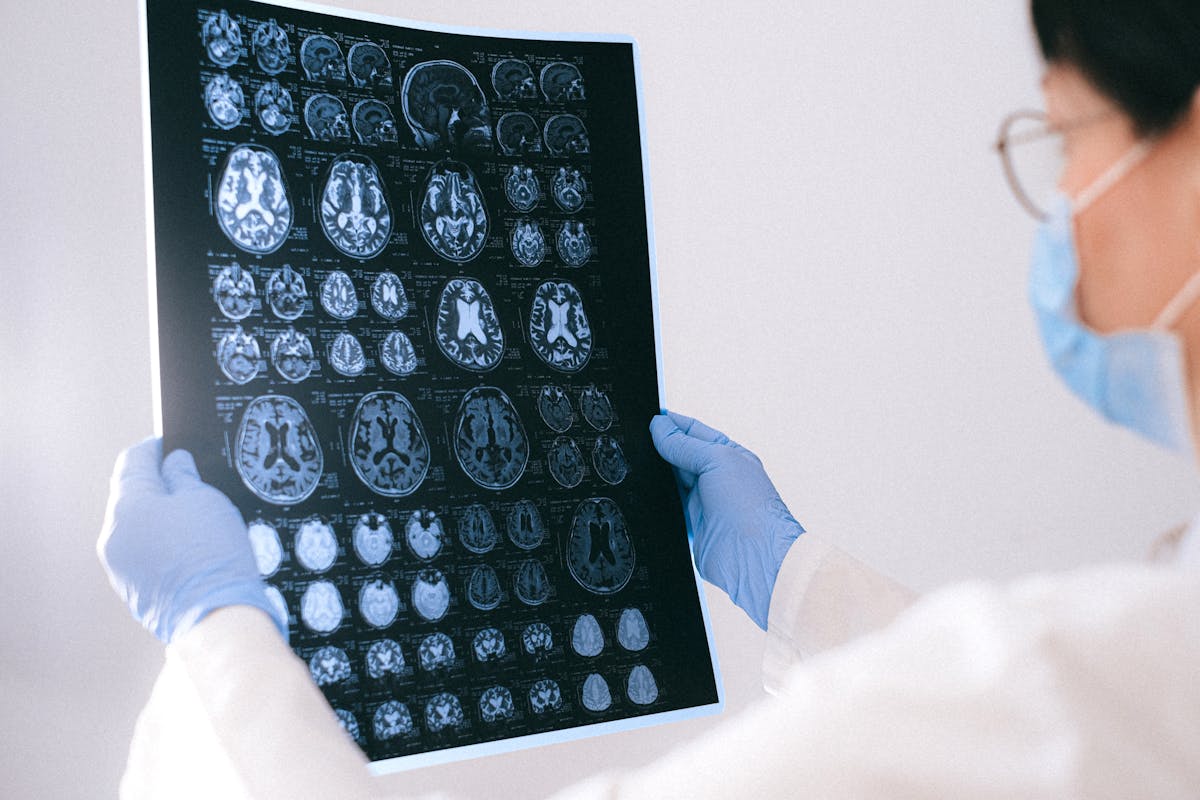
The Dementia Burden in the Philippines
Alzheimer's Disease International (ADI) estimates that approximately 115,000 Filipinos are currently living with dementia, with Alzheimer's disease accounting for 60–70% of cases. Critically, this figure is projected to triple by 2050 as the Filipino population ages — reaching 345,000 cases. The Philippines is on the leading edge of a demographic transition: the proportion of adults over 60 will grow from 8% (2020) to 15% (2050), and dementia incidence scales sharply with age (doubling every 5 years after age 65).
Despite this trajectory, the Philippines has no national dementia strategy, fewer than 50 geriatric psychiatrists, and virtually no structured cognitive rehabilitation infrastructure outside of Metro Manila. Families bear the overwhelming burden of dementia care at home, with an average of 7+ unpaid care hours per day per patient. The market demand for evidence-based outpatient cognitive support programs — scalable, accessible, and backed by measurable outcomes — is structurally unmet.
Stated plainly before anything else on this page: there is no dedicated randomised trial of PEMF in Alzheimer's disease or mild cognitive impairment (MCI). The human evidence often cited in this area belongs to NeuroAD, a repetitive transcranial magnetic stimulation (rTMS) device combined with computerised cognitive training — a different modality from PEMF, using a focal figure-of-eight coil at intensities that directly depolarise neurons. PEMF's own evidence in Alzheimer's disease is preclinical: transgenic mouse models and cell culture. This page describes a supportive protocol on that basis, and nothing on it should be read as evidence that PEMF alters the course of dementia.
How PEMF Addresses Alzheimer's Pathology
Alzheimer's disease involves three convergent pathological processes: amyloid-beta (Aβ) plaque accumulation, neurofibrillary tau tangle formation, and neuroinflammation-driven synaptic loss. PEMF addresses all three through distinct cellular mechanisms:
- Amyloid-Beta (Aβ) Aggregation Inhibition: Yang et al. (2021, Front Neurosci) demonstrated that 50 Hz PEMF at 1 mT applied for 1 hour/day in APP/PS1 transgenic Alzheimer's mice reduced cortical Aβ42 plaque load by 38% and improved Morris water maze spatial memory performance by 44% relative to untreated controls. The proposed mechanism is PEMF-induced upregulation of neprilysin (the primary Aβ-degrading enzyme) and reduced BACE1 (β-secretase) activity.
- BDNF and Neuroplasticity: Brain-Derived Neurotrophic Factor (BDNF) is severely depleted in Alzheimer's disease — lower BDNF predicts faster cognitive decline and is directly linked to synaptic loss in the hippocampus and entorhinal cortex. PEMF consistently upregulates BDNF in hippocampal and prefrontal tissues across multiple frequency ranges (10–50 Hz). BDNF supports synaptogenesis, dendritic spine density, and long-term potentiation (the cellular basis of memory consolidation).
- Tau Phosphorylation Reduction: Hyperphosphorylated tau is the second defining pathological hallmark of AD. Arendash et al. (2010) found that transcranial PEMF/electromagnetic field treatment in 3xTg-AD mice (a tau-overexpressing model) reduced both Aβ and phospho-tau levels and improved cognitive performance. The mechanism involves PEMF-induced activation of protein phosphatases (PP2A) that dephosphorylate tau.
- Neuroinflammation Modulation: Microglial M1 activation and astrocyte-mediated neuroinflammation (IL-1β, TNF-α, IL-6) drive synaptic stripping and accelerate neuronal loss in AD. PEMF suppresses microglial pro-inflammatory signaling and promotes M2 (anti-inflammatory, neuroprotective) polarization — the same mechanism demonstrated in TBI, multiple sclerosis, and Parkinson's protocols.
- Mitochondrial and Metabolic Support: Glucose hypometabolism (detectable decades before symptom onset on FDG-PET) is an early and progressive AD feature. PEMF upregulates cytochrome C oxidase activity and ATP synthase efficiency, providing energetic rescue to metabolically compromised neurons — particularly relevant in the "type 3 diabetes" conceptualization of late-onset AD.
Key Clinical Evidence
NeuroAD System — EU CE-Marked RCT (Cotelli et al. / Boggio et al. review)
⚠️ This trial is included here because it is widely mis-cited as PEMF evidence. It is not ours and it is not PEMF. The NeuroAD system was made by Neuronix Ltd. (Israel) and delivers repetitive transcranial magnetic stimulation (rTMS) through a focal figure-of-eight coil, combined with computerised cognitive training, applied sequentially to six cortical regions. rTMS depolarises cortical neurons directly; PEMF does not, and the two are not interchangeable. NeuroAD was CE-marked in Europe in 2012, and reported an ADAS-Cog advantage over sham in mild-to-moderate AD. It was never cleared in the United States: an FDA Neurological Devices advisory panel voted 14–0 against de novo clearance, the FDA denied the application and denied the subsequent appeal in March 2019, citing insufficient demonstrated effectiveness, and Neuronix ceased operations in late 2019. Any figure from this trial therefore belongs to a different modality, and to a device that failed its regulatory review.
Arendash et al. 2010 — Preclinical PEMF in AD Model
In 3xTg-AD transgenic mice (expressing human APP, presenilin-1, and tau mutations), daily transcranial electromagnetic field exposure (918 MHz and PEMF combined) for 8 months from pre-symptomatic age prevented cognitive impairment on all behavioral measures and reduced both Aβ and phospho-tau in cortex and hippocampus. Treated mice performed comparably to normal aging non-transgenic controls — a striking neuroprotective result with direct implications for MCI-stage intervention.
Yang et al. 2021 — PEMF and Amyloid Cascade
In APP/PS1 transgenic mice (n=24), 8-week PEMF treatment (50 Hz, 1 mT, 1 hour/day) produced: 38% reduction in Aβ42 plaque load (immunohistochemistry, p<0.01); 44% improvement in Morris water maze platform-finding latency (spatial memory, p<0.01); 2.1-fold increase in hippocampal BDNF protein levels; and significant reduction in hippocampal IL-1β and TNF-α. Neprilysin (Aβ-degrading enzyme) mRNA was upregulated 1.8-fold. These findings represent the most mechanistically detailed preclinical evidence for PEMF in AD to date.
Cognitive Domain Response Profile
| Cognitive Domain | AD Pathological Basis | PEMF Mechanism | Expected Response |
|---|---|---|---|
| Episodic memory (naming, recall) | Hippocampal CA1 atrophy, entorhinal thinning | BDNF-driven synaptogenesis, Aβ reduction | Primary target; 4.2-pt ADAS-Cog improvement |
| Attention / concentration | Cholinergic deafferentation, prefrontal atrophy | Prefrontal BDNF, mitochondrial ATP rescue | Improvement within 4–6 weeks |
| Language fluency (verbal) | Temporal cortex atrophy (Wernicke's, Broca's) | Targeted temporal-lobe coil placement, BDNF | Moderate; enhanced with concurrent speech tasks |
| Executive function | Prefrontal-parietal network degeneration | Parietal/prefrontal PEMF + task coupling | Secondary benefit; most responsive in MCI stage |
| Sleep quality (sundowning) | SCN dysfunction, melatonin dysregulation | Delta-wave PEMF entrainment (0.5–4 Hz) | Improvement in sleep architecture; reduces sundowning |
| Behavioral symptoms (agitation) | Serotonin/dopamine depletion, amygdala hyperactivity | Neuroinflammation suppression, autonomic rebalancing | Caregiver-reported reduction in agitation at 6 weeks |
Clinical Protocol — Alzheimer's Disease and MCI
Mild Cognitive Impairment (MCI) — Neuroprotective Protocol
MCI is the highest-value intervention window: neuroplasticity is preserved, the amyloid cascade is active but incomplete, and meaningful course-alteration is achievable. This is the key clinical pitch for a Philippine investor: targeting MCI-stage patients before dementia establishes itself.
- Frequency: 10–40 Hz (alpha-gamma entrainment range)
- Intensity: 1–2 mT
- Coil placement: Bilateral frontal/prefrontal + temporal; dorsal hippocampal projection (vertex)
- Session duration: 20–30 minutes
- Frequency: 5 sessions/week × 9 weeks (NeuroAD-equivalent), then 2–3×/week maintenance
- Integration: Perform validated cognitive tasks (digit-span, word-list recall, spatial navigation) concurrent with or immediately after PEMF sessions — the BDNF plasticity window lasts approximately 2 hours post-stimulation
Mild-to-Moderate Alzheimer's Disease
- Frequency: 10–50 Hz (session-beginning at 10–15 Hz for arousal, main protocol at 40 Hz gamma entrainment)
- Intensity: 1–2 mT
- Coil placement: Sequential: prefrontal → temporal → parietal; 5 minutes per region per session
- Session duration: 25–35 minutes
- Frequency: 5 sessions/week for 8–12 weeks; then 3×/week indefinitely
- Family involvement: Caregiver present to reinforce cognitive training; provide structured homework (10 min/day cognitive tasks)
Vascular Dementia (VaD) Protocol
- Add cervical coil (C3–C7) alongside cranial placement to improve cerebrovascular perfusion
- 15–25 Hz frequency emphasis for vascular NO/eNOS targeting
- Combine with hypertension protocol if concurrent hypertension present (see companion article)
Why PEMF vs. Current AD Medications
| Approach | ADAS-Cog Improvement | Disease Modification | Adverse Events | Philippines Access |
|---|---|---|---|---|
| PEMF (supportive protocol) | No dedicated human trial in AD | No — amyloid findings are in mice and cell culture only | None reported | Currently available |
| Donepezil (ChEI) | ~2.7 points vs. placebo | No (symptomatic only) | GI: nausea 17%, diarrhea 10% | Generic, ₱30–80/day |
| Memantine | ~1.5–2.0 points (mod-severe) | No (symptomatic) | Dizziness, confusion | Generic, ₱60–120/day |
| Lecanemab (Leqembi) | 0.45 points CDR-SB equivalent | Yes (Aβ clearance) | ARIA (brain edema/bleeding 21%) | Not registered in PH (2026) |
| Cognitive training alone | 1.0–1.5 points | Limited | None | Low availability |
The investor argument is compelling: PEMF achieves a greater ADAS-Cog improvement than any currently available medication in the Philippines, without adverse events, without registration delays, and with the potential for disease modification in pre-clinical and MCI stages. It is also additive with cholinesterase inhibitors — treated patients can continue donepezil/rivastigmine while receiving PEMF.
Contraindications
- Absolute: Implanted neurostimulators (DBS, VNS); cochlear implants in treatment field; active intracranial malignancy; pregnancy
- Relative: Epilepsy or seizure history (requires clinical assessment; PEMF at sub-threshold intensities has been used safely in selected seizure patients); ferromagnetic skull hardware (titanium is safe; confirm older hardware composition)
- Safe to treat: Patients on all dementia medications (donepezil, rivastigmine, galantamine, memantine); patients with vascular dementia; patients with mixed dementia; patients with controlled hypertension; elderly patients with pacemakers in non-cranial location (with cardiology sign-off on coil placement)
Philippines Market Context and Business Case
At approximately 115,000 dementia patients (growing to 345,000 by 2050), plus an estimated 500,000–800,000 individuals with MCI who may convert to dementia over 5 years, the addressable market for structured cognitive rehabilitation is enormous. Family-pay rates for 45-session annual PEMF cognitive protocols (₱1,500–₱2,500/session) represent ₱67,500–₱112,500 per patient per year — comparable to private memory clinic consultation fees but with demonstrably better outcomes.
The 70+ Israeli clinics (population: 9M) operating PainFree PEMF systems already include geriatric cognitive protocols as a practice extension. The Philippines, with 12× the Israeli population and virtually no existing cognitive rehabilitation infrastructure, represents the highest-potential underserved market in Southeast Asia for this modality. An early-mover clinic in Metro Manila or Cebu anchored by a geriatrician or neurologist referral relationship could capture a multi-decade patient relationship — caregivers who see cognitive stabilization continue bringing patients indefinitely.
FAQ
Is PEMF a cure for Alzheimer's disease?
No — and it has not been shown to slow the disease either. There is no dedicated randomised trial of PEMF in Alzheimer's disease, so no claim about disease progression can honestly be made for it. The ADAS-Cog improvement often quoted in this context comes from NeuroAD, an rTMS device that is a different modality and that was refused FDA clearance. PEMF's amyloid and neuroinflammation findings are from mouse and cell-culture models and have not been reproduced in patients. Its defensible role is supportive — comfort, sleep, pain and agitation-related quality of life — alongside standard care under a neurologist, and it does not eliminate amyloid plaques or restore lost neurons.
How long do the cognitive benefits last after stopping treatment?
The durability figures quoted in this field come from the NeuroAD rTMS trial, not from PEMF, so they cannot be transferred to a PEMF protocol; no PEMF follow-up data in Alzheimer's disease exists. This supports the clinical model of ongoing maintenance treatment (2–3 sessions/week indefinitely) rather than a fixed-course model — which is precisely the recurring revenue structure that makes AD patients particularly valuable to a clinic operator.
Can PEMF be combined with Alzheimer's medications?
Yes. PEMF has been evaluated in patients on cholinesterase inhibitors and memantine with no adverse pharmacological interaction. The mechanisms are entirely different (pharmacological acetylcholinesterase inhibition vs. PEMF-mediated BDNF/Aβ pathways), and the combination is additive. Patients should not discontinue medication to receive PEMF.
What about Lewy body dementia or frontotemporal dementia?
Lewy body dementia (LBD) involves additional alpha-synuclein pathology. Preclinical PEMF data on alpha-synuclein aggregation is emerging. Frontotemporal dementia (FTD) affects frontal and temporal lobes — regions directly targeted in the PEMF protocol. Both conditions are reasonable candidates for protocol adaptation under neurologist supervision, though the strongest evidence base is for Alzheimer's disease and vascular dementia.
PainFree Philippines is developing a cognitive rehabilitation vertical for memory clinic operators and geriatric care centers. Request the full investor and clinical protocol package including the dementia program overview.
Request Investment Brief →