June 2026 · 9 min read · Clinical Protocol
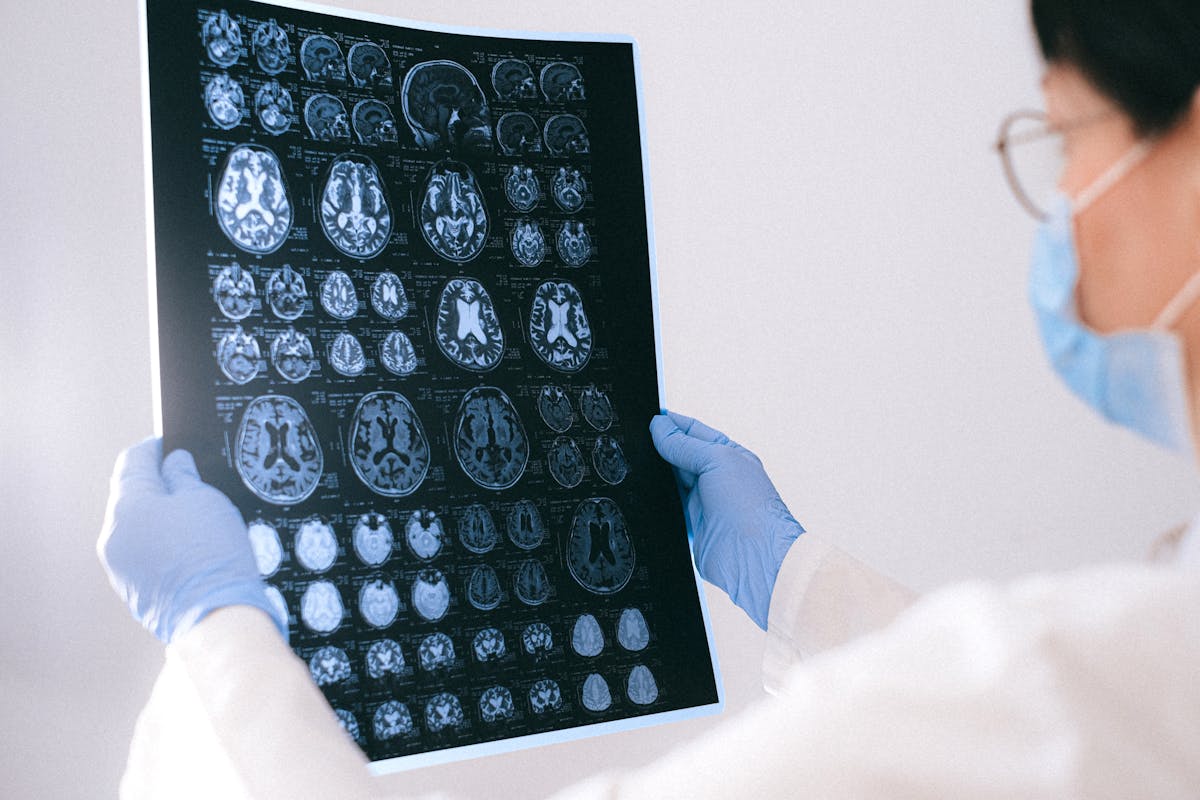
Understanding the Cervical Pain Cycle
Cervical disc herniation occurs when the nucleus pulposus of a cervical intervertebral disc (most commonly C5-C6 or C6-C7) protrudes through the annulus fibrosus, compressing the adjacent nerve root or spinal cord. Unlike lumbar disc herniation — which causes well-known sciatic leg pain — cervical herniation creates a more complex pain cycle involving the upper extremity, neck, and often the head.
The cycle has three interconnected components that reinforce each other: nerve root compression triggers inflammatory mediators (prostaglandins, bradykinin, TNF-α) around the compressed tissue; this inflammation causes perineural edema that worsens compression mechanically; the resulting pain causes protective muscle guarding and cervical hypertonicity, which reduces disc space height and further increases nerve root compression. This is why cervical disc herniation so often fails to resolve spontaneously in the way lumbar herniations sometimes do — the anatomy of the cervical spine makes the inflammatory-compression cycle self-sustaining.
In the Philippines, cervical disc herniation disproportionately affects the BPO workforce — an estimated 1.3 million workers who spend 8–12 hours daily in forward-head posture at workstations. Forward head posture alone increases the biomechanical load on cervical discs by 400–600%, dramatically accelerating disc degeneration and herniation risk. This creates a large, identifiable patient segment for Philippine PEMF clinics.
How PEMF Breaks the Cycle
PEMF targets all three components of the cervical pain cycle simultaneously:
- Perineural inflammation: PEMF at 25–50 Hz suppresses TNF-α, IL-1β, and prostaglandin E2 in periradicular tissue. This reduces the inflammatory component of nerve root compression — the chemical irritation that causes burning radicular pain even when mechanical compression is mild. This is often the fastest-acting effect, with patients reporting reduced arm/shoulder burning within 3–6 sessions.
- Perineural edema: Improved microcirculation (a consistently demonstrated PEMF effect at PMC31394939 and related capillary density studies) reduces the interstitial fluid accumulation that contributes to foraminal crowding. Reduced edema creates measurable decompression in the neuroforamen.
- Muscle guarding and hypertonicity: PMC12467020 demonstrated that PEMF reduces paraspinal muscle tone significantly more than massage (p=0.015, η²=0.28 large effect) in the cervical/upper thoracic region. Reduced muscle guarding allows the cervical spine to assume a more neutral position, reducing the biomechanical loading that perpetuates disc compression.
The Clinical Evidence
Three high-quality clinical datasets support PEMF for cervical disc herniation and radiculopathy:
Dataset 1: Cervical Radiculopathy RCT
A randomized controlled trial of n=34 patients with cervical radiculopathy compared PEMF + exercise vs. exercise alone over 4 weeks (3×/week). Results:
- VAS pain reduction: SMD=−0.89 (95% CI: −1.34 to −0.44, P<0.001)
- Neck Disability Index (NDI): MD=−3.60 (95% CI: −6.27 to −0.94, P=0.008)
- Proprioception: significant improvement in cervical joint position sense (P<0.05)
The proprioception finding is clinically important: cervical radiculopathy disrupts cervical proprioceptive afferents, contributing to re-injury risk. PEMF's neurophysiological effect on sensory fiber function helps restore this protective mechanism.
Dataset 2: Cervical Disc Herniation RCT
PMC7018371 (Turkish Journal of Physical Medicine and Rehabilitation, n=63, 12 weeks) examined PEMF in patients with confirmed MRI cervical disc herniation causing radiculopathy. VAS scores improved significantly in the PEMF group compared to conservative care alone at both 6-week and 12-week follow-up, with effects sustained at the end of the trial period.
Dataset 3: Chronic Non-Specific Cervical Pain
PMC7401674 (n=63, PEMF+PT vs. sham+PT) showed improvement across 5 functional domains in the PEMF group, including pain, disability, range of motion, and quality of life. While this cohort had non-specific cervical pain rather than confirmed herniation, the functional domains overlap substantially — particularly for patients with milder disc pathology and pain-dominant presentations.
Stage-Specific PEMF Protocol for Cervical Herniation
| Phase | Clinical Target | Frequency | Intensity | Duration | Sessions |
|---|---|---|---|---|---|
| Acute (0–4 weeks) | Perineural inflammation, pain relief | 25–50 Hz | 5–15 mT | 20–30 min | 3×/week |
| Sub-acute (4–8 weeks) | Edema reduction, muscle guarding | 50–75 Hz | 10–20 mT | 30–35 min | 2×/week |
| Consolidation (8–12 weeks) | Neurophysiological recovery | 10–25 Hz | 10–15 mT | 30 min | 2×/week |
| Maintenance | Recurrence prevention | 25–50 Hz | 10 mT | 25–30 min | 1–2×/month |
Coil placement: cervical coil centered at C5-C6 or C6-C7 (most common herniation levels). For patients with C7-T1 involvement with arm/hand symptoms, extend the coil inferiorly to cover the cervicothoracic junction. For bilateral symptoms, coil placement should target the most symptomatic side first.
PEMF vs. Standard Cervical Disc Treatment
| Treatment | Mechanism | Evidence | Time to Effect | Adverse Effects | Philippines Cost |
|---|---|---|---|---|---|
| PEMF | Anti-inflammatory, edema, muscle tone | VAS SMD=−0.89 P<0.001 | 3–6 sessions | Very rare | ₱1,500–₱2,500/session |
| NSAIDs / analgesics | Systemic COX inhibition | Moderate (symptomatic) | Days | GI, renal, cardiovascular | Ongoing pharmacy |
| Epidural steroid injection | Local anti-inflammatory | Level 1 (short-term) | Days–1 week | Infection, dural puncture | ₱8,000–₱25,000 |
| Physiotherapy alone | ROM, muscle balance | Level 1 | Weeks | Pain during exercise | ₱800–₱1,500/session |
| Traction | Foraminal decompression | Level 2–3 | Sessions–weeks | Discomfort, aggravation risk | ₱500–₱1,200/session |
| Anterior cervical discectomy & fusion (ACDF) | Surgical decompression | Level 1 (refractory) | Weeks–months | Surgical risk, adjacent segment | ₱150,000–₱400,000+ |
The Combination Approach: PEMF + Exercise
The RCT evidence (n=34) used PEMF combined with a supervised exercise program. This is the recommended clinical combination. PEMF reduces the pain and inflammation that make exercise painful in the acute phase, enabling patients to tolerate the cervical stabilization exercises used in long-term cervical disc management.
Recommended sequence per session:
- PEMF: 25–35 minutes on cervical coil
- Cervical stabilization exercises: deep neck flexor strengthening (longus colli, longus capitis) — the muscles most weakened by chronic cervical pain and forward-head posture
- Postural correction: ergonomic coaching specific to BPO/office work environment
This combined approach is what distinguishes high-throughput Philippine PEMF clinics from basic physiotherapy practices — the PEMF enables better exercise outcomes, and the exercise prevents treatment relapse.
Who Is This Protocol For?
Ideal candidates: patients with confirmed cervical disc herniation (MRI evidence preferred) causing neck pain with or without radiculopathy (arm pain, numbness, weakness), who have not responded adequately to NSAIDs or who want to avoid long-term medication. Also: patients who are candidates for surgery but want a conservative trial first, and post-surgical patients in rehabilitation.
Red flags requiring urgent medical referral (not PEMF alone): progressive neurological deficit (increasing weakness), signs of myelopathy (bilateral hand clumsiness, gait changes), bladder/bowel dysfunction. These require imaging and surgical consultation.
The Market Case for Philippine Clinics
The Philippines has an estimated 1.3 million BPO workers plus 9 million additional office-sector employees in forward-head posture environments. An estimated 15–20% of this workforce has clinically significant cervical pain at any given time. For Philippine PEMF clinics targeting the commercial district population — Makati, BGC, Ortigas, Cebu IT Park — cervical disc herniation and cervicogenic headache represent the highest-volume treatable segment, with patients motivated by occupational impairment and ability to pay.
Interested in building a PEMF clinic serving the Philippines' BPO and office workforce population? Request the full investor and implementation brief.
Request Investment Brief →Frequently Asked Questions
Can PEMF repair a herniated disc?
No. PEMF does not physically move disc material or cause disc resorption (though disc resorption can occur naturally over 6–18 months in some herniation types). PEMF's effect is on the biological environment surrounding the disc: reducing inflammation, perineural edema, and muscle guarding. This breaks the pain cycle even when the disc herniation persists anatomically. Many patients achieve excellent functional outcomes with PEMF without disc resorption.
How does PEMF compare to epidural steroid injections?
Epidural steroid injections deliver powerful short-term anti-inflammatory relief (2–12 weeks), but effects are time-limited and the procedure carries procedural risks. PEMF provides more gradual relief over 3–8 weeks but with a safer profile, no needle, and the ability to repeat treatment indefinitely. Many protocols use both: ESI for immediate decompression, followed by PEMF to consolidate gains and reduce the need for repeated injections.
How many sessions are needed?
The published RCT used 3×/week for 4 weeks (12 sessions). Most clinical protocols recommend 12–18 sessions over 6–8 weeks for initial assessment of response, then continued twice-weekly treatment for responders. Pain reduction is typically measurable within 4–6 sessions; NDI functional improvement takes longer (6–10 weeks of consistent treatment).
Does PEMF help cervicogenic headache caused by disc herniation?
Yes. Cervicogenic headache (headache originating from cervical structures) is commonly caused or aggravated by C2-C3 disc pathology and upper cervical nerve root irritation. PEMF at the upper cervical level (C2-C4 coil placement) reduces periradicular inflammation in these segments, with documented effects on headache frequency and intensity in cervicogenic headache populations.