July 2026 · 8 min read · Clinical Protocol
What Is Coccydynia — and Why Does the Pain Persist?
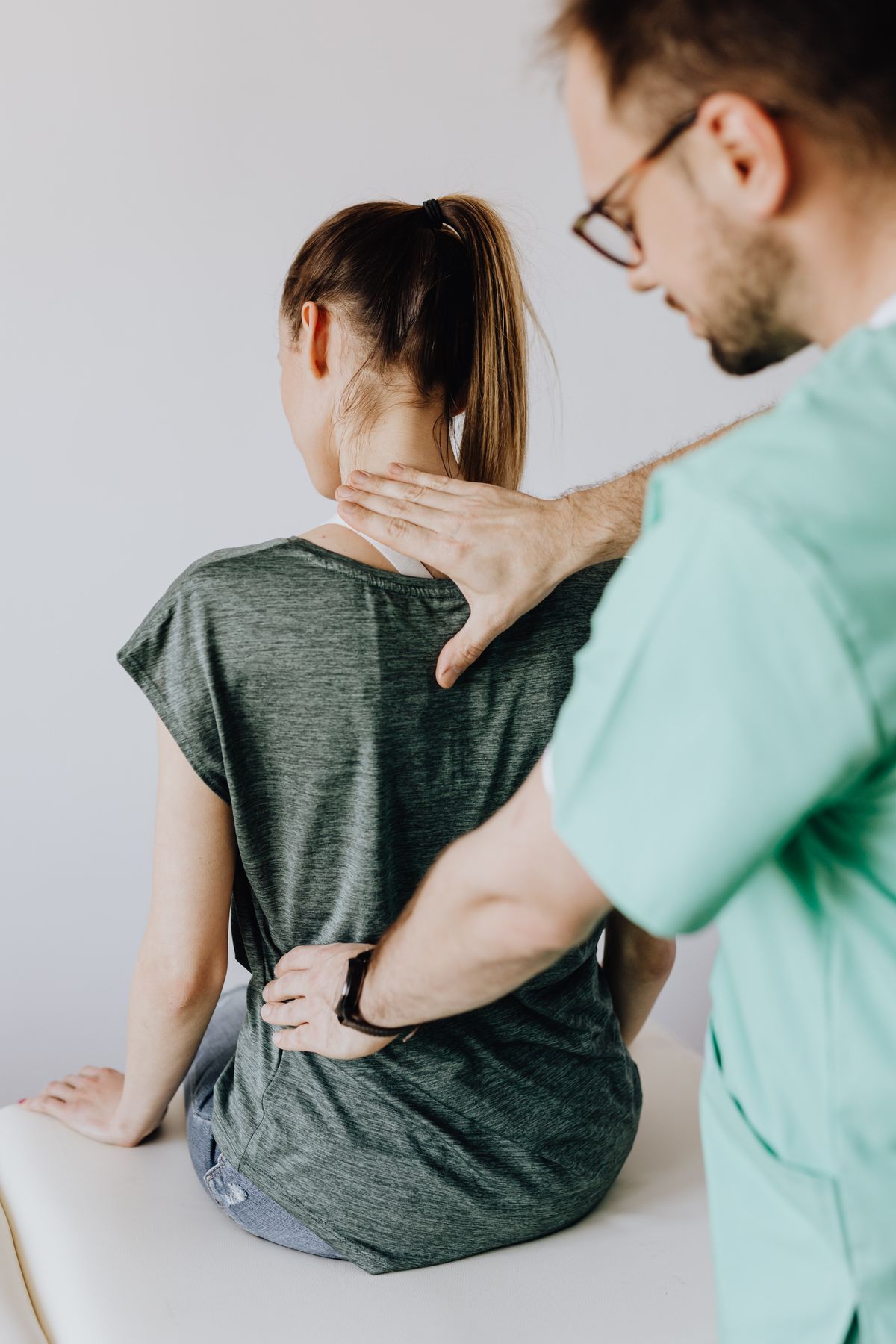
Coccydynia is localized pain at the coccyx (tailbone), the lowest segment of the spine. It is aggravated by prolonged sitting, by the transition from sitting to standing, and by direct pressure. It is more common in women (including postpartum onset) and frequently follows a fall onto the buttocks. Although often dismissed as minor, coccydynia can persist for months or years and materially impair sitting, driving, and work.
The reason the pain persists is a self-reinforcing loop: inflammation of the soft tissues and ligaments around the coccyx, local hypersensitivity of nerve endings, and — in some cases — abnormal mobility of the sacrococcygeal joint. Because the area is loaded mechanically with every episode of sitting, the inflammatory cycle is difficult to break with conservative measures alone. This is precisely why a tissue-directed modality such as PEMF is relevant.
Why Coccydynia Matters in the Philippine Market
Few conditions map as cleanly onto the Philippine sitting-intensive economy as tailbone pain:
- The BPO workforce: 1.3–1.5 million call-centre and back-office workers sit for 8–10 hour shifts, often on non-ergonomic seating — a direct driver of chronic coccyx loading and pressure-related pain.
- Postpartum women: With over 1.4 million births per year nationally, postpartum coccydynia (from the mechanical stresses of delivery) is a large, underserved and highly motivated patient segment.
- Low treatment satisfaction: Conservative management (cushions, NSAIDs, activity modification) is only partially effective, and cortisone injections and surgery carry limitations — leaving patients actively searching for a non-invasive option.
How PEMF Acts on Tailbone Pain
Because coccydynia is characterised primarily by local soft-tissue and ligamentous inflammation and by impaired local blood supply around a mechanically loaded area, the use of PEMF — shown in research to reduce edema and inflammation and to improve microcirculation — is a direct and reasonable clinical rationale. PEMF acts through three complementary pathways:
- Improved microcirculation: Activation of endothelial nitric oxide synthase (eNOS) and vasodilation increase oxygen delivery to the affected tissue, supporting clearance of inflammatory by-products (PubMed 31394939).
- Reduced inflammation and edema: Suppression of pro-inflammatory signalling (IL-1β, TNF-α, NF-κB) supports fluid resorption and reduces local swelling and pressure around the coccyx and nerve endings (PubMed 19371845).
- Pain-signal modulation: Modulation of peripheral pain conduction and local hypersensitivity.
What Does the Research Say?
In full transparency: dedicated PEMF research specifically for coccydynia is very limited, and the evidence is extrapolated from joint and soft-tissue pain studies that share the same mechanism. The strongest reference is a 2025 multi-centre randomized controlled trial (PMC11914662, n=91, five orthopedic clinics) in joint and soft-tissue pain: a 36% pain reduction versus 10% with standard care (p<0.0001), and a 55% reduction in medication use. At the mechanism level, a review in the Aesthetic Surgery Journal (Strauch et al., 2009, Albert Einstein, PubMed 19371845) found that PEMF relieves soft-tissue pain and edema and accelerates healing, and a double-blind RCT (2019, n=44, PubMed 31394939) demonstrated increased plasma nitric oxide and improved blood flow. These findings, together with clinical experience across dozens of clinics, point to high satisfaction rates — but they are not a guarantee of outcome in any individual case, and PEMF is not presented as a cure.
Clinical Protocol: Combined Conservative Approach
The protocol is grounded in the general parameters of PEMF for soft-tissue and localized inflammation and in over 25 years of accumulated PainFree clinical experience — there is no dedicated published coccydynia protocol. It runs alongside mechanical management (an ergonomic wedge/pressure-relief cushion, seating adjustment) and manual or physical therapy:
- Initial assessment: Clinical diagnosis, pain mapping, and identification of aggravating mechanical factors.
- Treatment series: A course over several weeks, approximately 2 sessions per week, ~30 minutes each, delivered in a seated position.
- Conservative integration: Sitting guidance, a pressure-relief cushion, and exercise between sessions as needed.
- Review and adjustment: Response assessment every 3–4 sessions with frequency adjusted accordingly.
A key operational advantage: treatment is hands-free — it does not require continuous therapist supervision, allowing a clinic to treat several patients in parallel without staff burnout.
PEMF vs. Conventional Treatments for Tailbone Pain
| Parameter | PEMF | Local corticosteroid injection | Analgesics / NSAIDs |
|---|---|---|---|
| Invasiveness | Non-invasive | Invasive (injection) | Non-invasive |
| Mechanism | Anti-inflammatory + microcirculation + pain modulation | Strong, temporary local inflammation suppression | Systemic pain relief |
| Side effects | Minimal | Limited number of injections; local risk | GI / renal burden with prolonged use |
| Durability of effect | Directed at the healing process over a course | Usually temporary | Symptomatic only |
| Staff load | Low (hands-free) | Requires an injecting physician | None |
Every technology has its place depending on the clinical situation and treatment goal. In many cases, combining PEMF with manual therapy, physiotherapy, or mechanical management can amplify the outcome — the choice is not necessarily "either/or."
Revenue Model for a Coccydynia PEMF Course
The protocol generates predictable, course-based revenue with low staffing overhead:
- Initial course (8–12 sessions): ₱12,000–₱30,000 per patient (at ₱1,500–₱2,500/session).
- Hands-free throughput: Because sessions require no continuous supervision, a single machine can serve multiple patients concurrently, improving chair utilisation.
- BPO occupational-health partnerships: Sedentary call-centre populations are a high-incidence, employer-insured B2B channel for group referral programmes.
- Postpartum pathway: Partnerships with OB-GYN and physiotherapy clinics create a steady referral stream of motivated postpartum patients.
Who Is This Protocol For?
PEMF is safe for most of the population — including athletes, children of any age, and adults. It is not indicated for carriers of active electronic implants (such as a cardiac pacemaker), pregnant women, patients with active malignancy, or patients with active epilepsy. In the event of acute or worsening pain, fever, or a change in bowel/bladder function, medical evaluation is required before any treatment.
Frequently Asked Questions
Can PEMF completely cure tailbone pain?
PEMF is not a guaranteed cure; it is a non-invasive treatment intended to reduce inflammation and pain and support healing. Many patients experience meaningful relief over a treatment course, but outcomes vary between individuals and depend on the cause and duration of the pain.
How many sessions are needed before improvement?
A course of several weeks at roughly 2 sessions per week is typical. Early improvement may appear within the first sessions, but response is assessed over the full course, with frequency and duration tailored to severity.
Is the treatment painful or does it require recovery?
The treatment is non-invasive and painless; there is no recovery period and the patient returns to routine immediately. Sessions are delivered seated and do not require continuous supervision.
Who is not suitable for PEMF?
PEMF is not indicated for carriers of active electronic implants (cardiac pacemaker), pregnant women, patients with active malignancy, or patients with active epilepsy. When in doubt, consult a physician before beginning treatment.
Coccydynia is a high-frequency, under-served complaint across the Philippines' sitting-intensive workforce — and PEMF offers a non-invasive, hands-free treatment that fits neatly into a conservative pathway. Request the full investor and clinic implementation brief.
Request Investment Brief →