Main guide: Implementing PEMF in a Physiotherapy Clinic — the 2026 professional & business guide — what the evidence really shows, a procurement checklist and a 90-day rollout plan.
June 2026 · 8 min read · Clinical Protocol
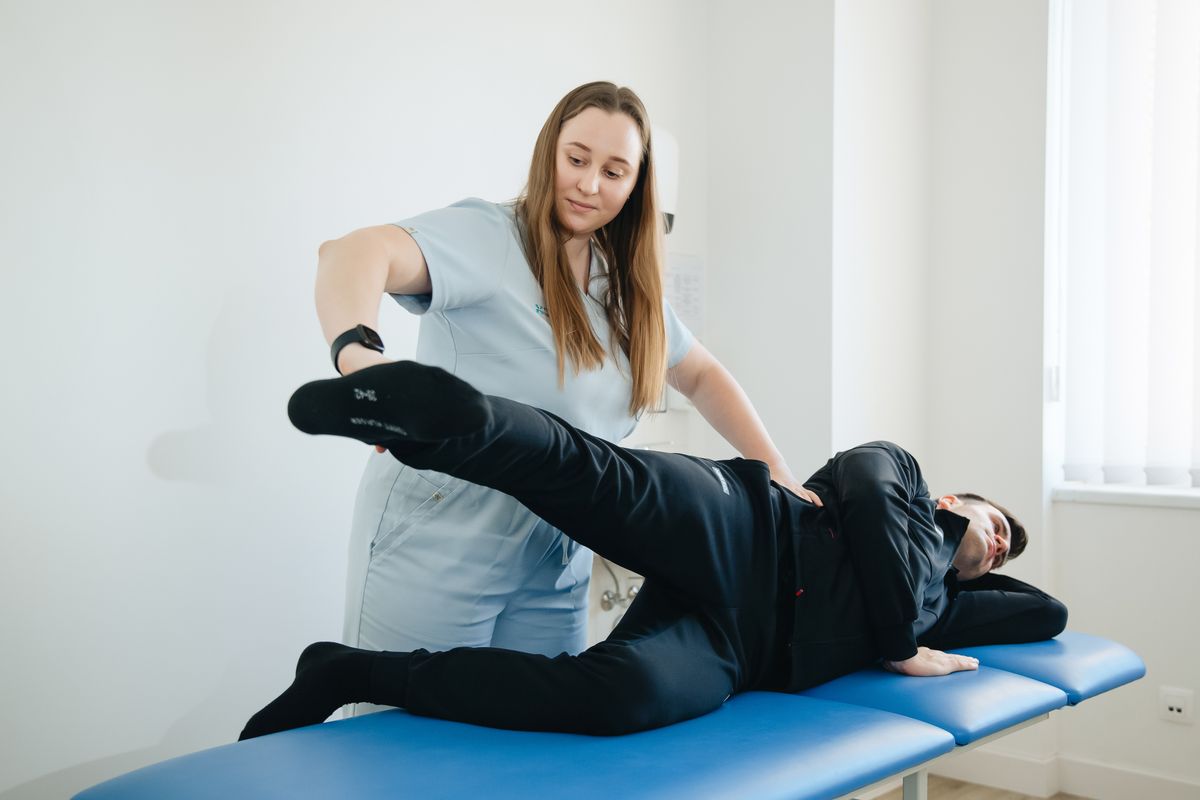
PainFree offers PEMF (Pulsed Electromagnetic Field therapy) for physiotherapy clinics — a non-invasive treatment that leads the session and combines with physiotherapy, extracorporeal shockwave (ESWT) and other modalities.
When a physiotherapist considers adding PEMF to a treatment protocol, the decision can be grounded in current research: a multi-center randomized controlled trial (2025, PMC11914662, n=91, 5 orthopedic clinics) showed a 36% pain reduction in the PEMF group versus 10% in the control group (p<0.0001), and a 55% drop in medication use — a result that strengthens the clinical case for integrating PEMF into a physiotherapy protocol.
Why Add PEMF to a Physiotherapy Protocol?
PEMF (Pulsed Electromagnetic Field therapy) acts at the cellular level and works together with conventional physiotherapy. A 2009 study (PubMed 19371845, Strauch et al., Albert Einstein College of Medicine) demonstrated the role of nitric oxide (NO) as a central mediator of the anti-inflammatory effect of pulsed electromagnetic fields — a mechanism that strengthens tissue before and during therapeutic exercise without conflicting with standard physiotherapy methods.
Integration adds value across three key clinical dimensions:
- Faster pain reduction — enables earlier initiation of active exercise and mobilization
- Reduced medication load — fewer NSAIDs in the treatment plan without compromising efficacy
- Optimal time utilization — no supervision required during treatment; the therapist is free to treat another patient simultaneously
What the Research Shows
The research supports PEMF particularly for musculoskeletal and soft-tissue pain, mostly in trials where it was combined with exercise. The multi-center RCT (PMC11914662, 2025) conducted in 5 orthopedic clinics provides a solid evidence base: 36% pain reduction, 55% drop in medication use, vs. standard care alone (p<0.0001).
Prof. Gabi Zeilig (Head of Rehabilitation, Sheba Medical Center, Tel HaShomer, Israel), who authored a comprehensive professional review on the subject, professionally recommends integrating PEMF technology into every chronic pain clinic. The review highlights the physiological basis for combining PEMF with physiotherapy and the synergistic effect in patients with chronic musculoskeletal pain.
PEMF has been studied for chronic pain, reduction of inflammation, improved microcirculation, and tissue repair. FDA-cleared PEMF devices are in clinical use worldwide as part of rehabilitation and pain-management programs.
PEMF vs. Other Physiotherapy Modalities
Every technology has its place depending on the clinical situation and treatment goal. Combining shockwave (ESWT) with PEMF will deliver better results than either alone — multidisciplinary medicine at its best.
| Parameter | PEMF (PainFree) | Shockwave (ESWT) | Therapeutic Ultrasound | TENS |
|---|---|---|---|---|
| Effect on microcirculation | High | Moderate | Moderate | Low |
| Anti-inflammatory effect | High | High | Moderate | Low |
| Pain reduction | High | High | Moderate | High |
| Supervision required | Not required | Required | Required | Required |
| Combination potential | High | Moderate | Moderate | High |
| Typical session duration | 20–30 min | 5–15 min | 5–10 min | 20–30 min |
Integration Protocol: Core Principles
Recommended frequency: 1–2 times per week. Treatment course: a series of 3 or more sessions, guided by the clinician's judgment. A PainFree PEMF system is adapted for clinical conditions and allows integration with existing modalities — the system can be operated in parallel with exercise, acupuncture, shockwave, and more, while maintaining normal clinic workflow.
PainFree provides full training for certified operators — physiotherapist, physician, licensed practitioner — including theory, clinical protocols, and ongoing support. No special external certification is required beyond the existing professional license.
70+ clinics and practices in Israel combine PainFree PEMF systems in their treatment mix — physiotherapists, osteopaths, chiropractors, pain physicians, and integrative-medicine practitioners.
PainFree — The Leading PEMF Importer in Israel
PainFree is the exclusive importer of the best and most suitable systems for busy clinics in the fields of chronic pain, rehabilitation, and chronic disease — with over 25 years of experience and 70+ active clinics nationwide (not all clinics carry the PainFree name; some operate under different names but apply optimal integrative medicine with PainFree systems). Among the senior professionals in Israel involved with PainFree: Prof. Itamar Grotto (Deputy Director General, Ministry of Health, Israel — former), Prof. Gabi Zeilig (Head of Rehabilitation, Sheba Medical Center, Tel HaShomer — authored a comprehensive review and recommends integrating PEMF technology in every chronic pain clinic), Uria Moran (Lt. Col. (res.), former Head of Physiotherapy Branch, IDF), and Dr. Rafi Carasso (Head, Neurology Department, Hillel Yaffe Medical Center, Hadera; private clinic, Ramat Aviv — using PainFree PEMF systems for over 6 years with consistent success).
Frequently Asked Questions
Conditions PEMF Can Address
PainFree PEMF systems are effective across a wide range of indications, including:
- Chronic pain (joint, soft-tissue, musculoskeletal)
- Fibromyalgia and widespread chronic pain
- Back, neck, and shoulder pain
- Disc herniation and bulging disc
- Migraines and chronic headaches
- Post-surgical and post-traumatic rehabilitation
- Sleep disturbance
- Erectile dysfunction
- Difficult-to-heal wounds
- Cartilage wear, joint pain, chronic inflammation