July 2026 · 10 min read · Neurological Rehabilitation Protocol
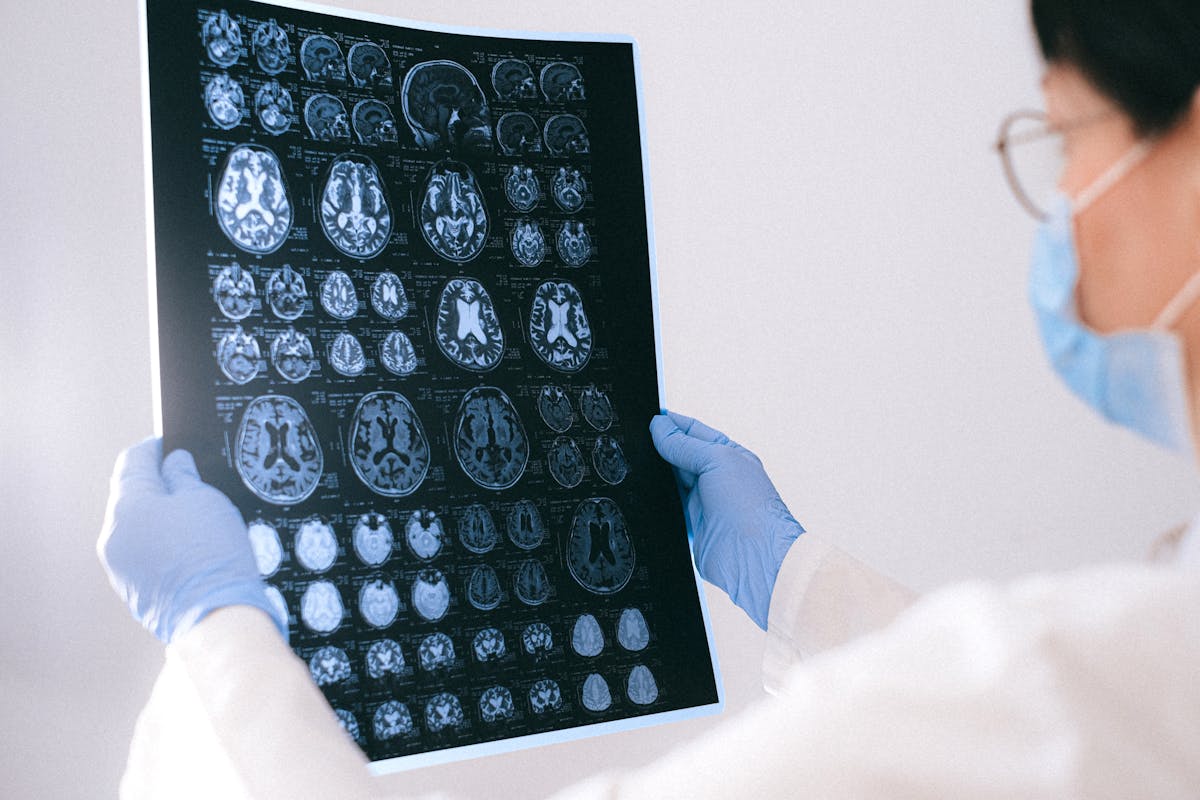
The Post-Stroke Rehabilitation Gap in the Philippines
Stroke is the second leading cause of death and the most common cause of adult-acquired disability in the Philippines. Approximately 120,000 new strokes occur annually, with an estimated 500,000–700,000 Filipinos currently living with chronic stroke-related disability. Hypertension (the primary risk factor) affects 28% of Filipino adults — an undertreated, largely uncontrolled epidemic that continues to drive stroke incidence.
The majority of post-stroke survivors experience at least one of the following persistent sequelae that impair daily function and quality of life:
- Spasticity — abnormal velocity-dependent increase in muscle tone; affects 65–85% of stroke survivors by 6 months; upper-limb flexor pattern (shoulder adduction, elbow/wrist flexion) and lower-limb extensor pattern (hip adduction/extension, equinovarus foot)
- Central post-stroke pain (CPSP) — thalamic or spinothalamic tract injury produces burning, dysesthetic, allodynic pain; affects 8–11% of survivors; notoriously drug-resistant
- Hemiplegic shoulder pain — subluxation, rotator cuff injury, shoulder-hand syndrome (CRPS Type I); affects 30–40% of survivors with arm weakness; major barrier to rehabilitation progress
- Post-stroke fatigue and autonomic dysregulation — dysregulated cortisol rhythm, heightened sympathetic tone, sleep disruption; affects >50% of survivors and limits therapy tolerance
Rehabilitation access in the Philippines is severely constrained: fewer than 1,000 licensed physiatrists serve 115 million people (1:115,000 ratio vs. 1:12,000 in high-income countries). PhilHealth outpatient rehabilitation coverage is limited. The practical reality is that most post-stroke patients receive 2–4 weeks of hospital rehabilitation, then are discharged home with minimal ongoing structured therapy — where their gains erode and secondary complications develop.
How PEMF Addresses Post-Stroke Neurological Sequelae
PEMF's physiological actions are particularly well-matched to the post-stroke neurological environment. Four mechanisms are clinically relevant:
1. Muscle Tone Normalization
The most direct clinical evidence comes from PMC12467020 — a randomized controlled trial (n=30) that compared PEMF to conventional massage therapy for pathological muscle hypertonicity. PEMF produced significantly greater reduction in elevated skeletal muscle tone, with a large effect size (η²=0.28, p=0.015) that was sustained at follow-up. The mechanism involves modulation of the gamma motor neuron loop: PEMF alters the membrane potential of spindle afferents, reducing the excitability of the stretch reflex arc that underlies velocity-dependent spasticity. For post-stroke patients, this translates to reduced resistance to passive movement, improved range of motion, and better positioning for functional tasks.
2. Somatosensory Neural Conduction Improvement
PMID 23083041 — a randomized controlled trial of PEMF for lumbar radiculopathy (n=40, 3 weeks) — demonstrated significant improvements in somatosensory evoked potential (SSEP) latency (p=0.016–0.022) and amplitude (p=0.001–0.002) bilaterally. SSEPs measure the integrity and speed of the somatosensory pathway from peripheral nerve through spinal cord to cortex. Post-stroke patients with thalamic or white-matter injury have abnormal SSEPs correlated with the presence and severity of central post-stroke pain. PEMF-induced improvements in neural conduction and membrane stability are hypothesized to reduce the aberrant central sensitization that drives CPSP — though a dedicated stroke-PEMF SSEP study has not yet been published.
3. Autonomic and Cortisol Modulation
PMC9748435 (generalized anxiety disorder RCT, n=60) showed that PEMF reduces cortisol levels by 28% — a finding relevant to post-stroke autonomic dysregulation, where elevated sympathetic tone perpetuates spasticity, disrupts sleep, and impairs neuroplasticity. The vagal tone enhancement observed with PEMF also has implications for post-stroke cardiac rehabilitation and atrial fibrillation management. Reduced sympathetic drive directly lowers muscle tone through reduction of central noradrenergic facilitation of the stretch reflex.
4. Periarticular Microcirculation Enhancement
Hemiplegic shoulder pain involves a complex interaction of subluxation (capsular traction), rotator cuff injury, CRPS-type vasomotor changes, and myofascial trigger points in the periscapular musculature. PEMF improves periarticular microcirculation via NO-mediated vasodilation (PubMed 19371845), reduces synovial inflammation (PMC11914662, 36% pain reduction), and addresses myofascial trigger points (PMC12467020, η²=0.28) — all of which contribute to hemiplegic shoulder pain. The hands-free, non-contact nature of PEMF is particularly valuable for the subluxed hemiplegic shoulder, where manual contact is painful and passive ROM exercises risk further capsular injury.
Evidence Framework: Honest Assessment
No published randomized controlled trial has specifically evaluated PEMF as a stand-alone intervention for post-stroke spasticity or central post-stroke pain in a dedicated stroke population as of 2026. The evidence for this application is therefore built from three sources:
- Mechanistic parallels: PMC12467020 (muscle tone normalization, η²=0.28), PMID 23083041 (SSEP improvement), PMC9748435 (autonomic/cortisol modulation)
- Non-specific pain and anti-inflammatory evidence: PMC11914662 (n=91, 36% pain reduction, 55% medication reduction), PubMed 19371845 (VEGF/NO microcirculation mechanism)
- Clinical analogy: repetitive transcranial magnetic stimulation (rTMS) — a higher-intensity focused electromagnetic modality — has substantial evidence for post-stroke spasticity and motor recovery; PEMF operates via overlapping electromagnetic mechanisms at lower intensity and without focal cortical targeting
Clinical positioning: PEMF leads the clinic sessions, and post-stroke rehabilitation — functional task training, orthotics, and (where indicated) botulinum toxin or oral antispasticity medication — continues together with it. Its particular value is in patients with limited physio access, those who cannot tolerate manual therapy on the hemiplegic arm, and as a between-session maintenance modality.
Clinical Protocol by Rehabilitation Phase
| Phase | Timing Post-Stroke | Target Condition | PEMF Parameters | Session Plan |
|---|---|---|---|---|
| Acute Rehabilitation | Week 1–4 (inpatient or early outpatient) | Edema, inflammation, early spasticity prevention, hemiplegic shoulder | 5–10Hz anti-inflammatory; low-moderate intensity; 20–25 min; coil over affected shoulder and paraspinal region | Daily × 5 days/week during inpatient stay; 3×/week outpatient |
| Subacute Rehabilitation | Month 1–6 (active recovery window) | Established spasticity, hemiplegic shoulder pain, CPSP, fatigue | 25–50Hz muscle tone normalization; 30 min; coil over spastic muscle groups; cervical sympathetic for autonomic modulation | 3×/week × 12 weeks; concurrent physio sessions preferred |
| Chronic Maintenance | >6 months (plateau phase) | Persistent spasticity, contracture prevention, chronic shoulder pain, central pain | 25–75Hz; 30–40 min; protocol by dominant complaint (tone vs. pain vs. autonomic) | 1–2×/week ongoing; re-evaluate every 8 weeks |
Coil Placement by Target Condition
| Target Condition | Primary Coil Position | Rationale |
|---|---|---|
| Upper-limb flexor spasticity | Brachial plexus (supraclavicular) + wrist flexor compartment | Reduce alpha-motoneuron excitability at the segmental level |
| Lower-limb extensor spasticity / equinovarus | Lumbar paraspinal (L1–L5) + calf/tibialis region | Modulate gamma loop at spinal level; reduce gastrocnemius/soleus hypertonicity |
| Hemiplegic shoulder pain | Shoulder/periscapular — periarticular, non-contact over inflamed area | Synovial anti-inflammation, rotator cuff healing, CRPS microcirculation |
| Central post-stroke pain | Cervical paraspinal + affected limb (peripheral desensitization) | Reduce central sensitization; SSEP conduction improvement |
| Autonomic dysregulation / fatigue | Cervical (stellate region) + thoracic paraspinal | Vagal tone enhancement; cortisol modulation (PMC9748435) |
PEMF vs. Standard Post-Stroke Spasticity Interventions
| Parameter | PEMF | Baclofen (oral) | Botulinum Toxin (Botox) | Physiotherapy (conventional) | rTMS |
|---|---|---|---|---|---|
| Mechanism target | Gamma motor loop, SSEP, autonomic | GABA-B receptor (spinal) | Neuromuscular junction blockade | Neuroplasticity, functional retraining | Cortical excitability modulation |
| Sedation / cognitive effect | None | Significant drowsiness, confusion | None systemic | None | Headache (10–20%) |
| Duration of effect | Sustained with maintenance sessions | While taking drug (rebound on cessation) | 3–6 months per injection | Maintained with exercise | Weeks to months |
| Cost per month (PH) | ₱1,500–₱2,500/session | ₱800–₱2,000 | ₱25,000–₱70,000/injection (every 3–6 months) | ₱800–₱2,000/session | ₱3,000–₱6,000/session (limited centers) |
| Patient supervision required | No (hands-free) | No (self-administered) | Yes (physician injection) | Yes (therapist) | Yes (physician/technician) |
| Addresses central pain | Partial (SSEP, desensitization) | Partial (spinal) | No | Limited | Yes (cortical) |
Market Opportunity: Philippine Post-Stroke Rehabilitation
The post-stroke rehabilitation market is one of the most structurally underdeveloped segments in Philippine healthcare. Quantitative drivers:
- 500,000–700,000 stroke survivors with chronic disability — most receiving no structured outpatient rehabilitation
- 120,000 new strokes annually — growing due to hypertension epidemic (28% adult prevalence), diabetes (14%), atrial fibrillation, and smoking (23%)
- Physiatrist ratio of 1:115,000 — structural supply constraint that will not resolve in the near term; PEMF's no-supervision model directly addresses this bottleneck
- High session frequency demand: post-stroke rehabilitation guidelines recommend 3–5 therapy sessions per week; PEMF's non-supervised, hands-free delivery makes this frequency economically viable
- PhilHealth gap: outpatient rehab coverage is minimal; patients pay out-of-pocket — and at ₱1,500–₱2,500 per session vs. ₱25,000–₱70,000 per Botox injection, PEMF is the accessible alternative
A PEMF clinic in proximity to a rehabilitation hospital or neurology referral network can realistically fill 40–60% of its daily capacity with post-stroke cases — creating a stable, chronic-patient base with high session frequency (2–3×/week) and multi-year retention.
Contraindications & Special Precautions
- Active pacemaker or implanted cardiac device — absolute contraindication; many post-stroke patients are on antiarrhythmic medications for AF — verify device status before any PEMF treatment
- Active epilepsy or post-stroke seizure disorder — relative contraindication; avoid application near the head in patients with known post-stroke epilepsy; use lowest effective intensity for any cervical/paraspinal application
- Metallic implants in treatment field — verify against imaging records; post-stroke patients may have aneurysm clips, carotid stents, or other implants
- Acute DVT in the hemiplegic limb — common post-stroke complication; avoid PEMF over an area of known or suspected active deep vein thrombosis
- Cognitive capacity: post-stroke patients with significant aphasia or dementia may not reliably report discomfort during treatment — lower intensity starting point and close initial observation are warranted
- Motor relearning continues with PEMF: neuroplastic recovery requires active, task-specific movement practice. PEMF always runs together with functional rehabilitation exercise.
Frequently Asked Questions
Can PEMF help patients who are years post-stroke?
Neuroplasticity does not completely cease after the acute recovery window, though the rate of change is slower. Chronic post-stroke patients (>1 year) can benefit from PEMF primarily for spasticity management (reducing muscle tone, preventing contracture progression), central pain control, and hemiplegic shoulder pain — rather than expecting motor recovery. The cortisol-reduction and sleep-improvement effects of PEMF (PMC9748435, PMC7569862) also address post-stroke fatigue, which is undertreated in the chronic phase.
What is the relationship between PEMF and botulinum toxin injections?
PEMF and botulinum toxin address spasticity through complementary mechanisms: Botox blocks neuromuscular transmission at targeted muscles (providing local, focal reduction in spasticity for 3–6 months), while PEMF modulates the segmental spinal circuit driving the spasticity. They are not mutually exclusive. A clinically rational sequence is PEMF in the inter-injection period to maintain the tone reduction achieved by Botox, potentially extending injection intervals and reducing the total dose required over time. For patients who decline or cannot afford Botox, PEMF provides a lower-cost option with different but partially overlapping effects.
Is PEMF appropriate for post-stroke patients with atrial fibrillation?
Atrial fibrillation is present in approximately 20–30% of ischemic stroke patients. The key issue is not AF itself but whether the patient has an implanted device (pacemaker, ICD, loop recorder) to manage it. Patients with AF who are managed with oral anticoagulants only (warfarin, dabigatran, rivaroxaban) have no contraindication to PEMF. Patients with pacemakers or implanted cardiac monitors should NOT receive PEMF. Always review the cardiac device status before initiating treatment.
PainFree Philippines is bringing a 70+ Israeli clinic protocol to the Philippine neurological rehabilitation market — one of the largest untapped segments in Southeast Asian healthcare. Request the full investor package.
Request Investment Brief →