July 2026 · 10 min read · Clinical Protocol
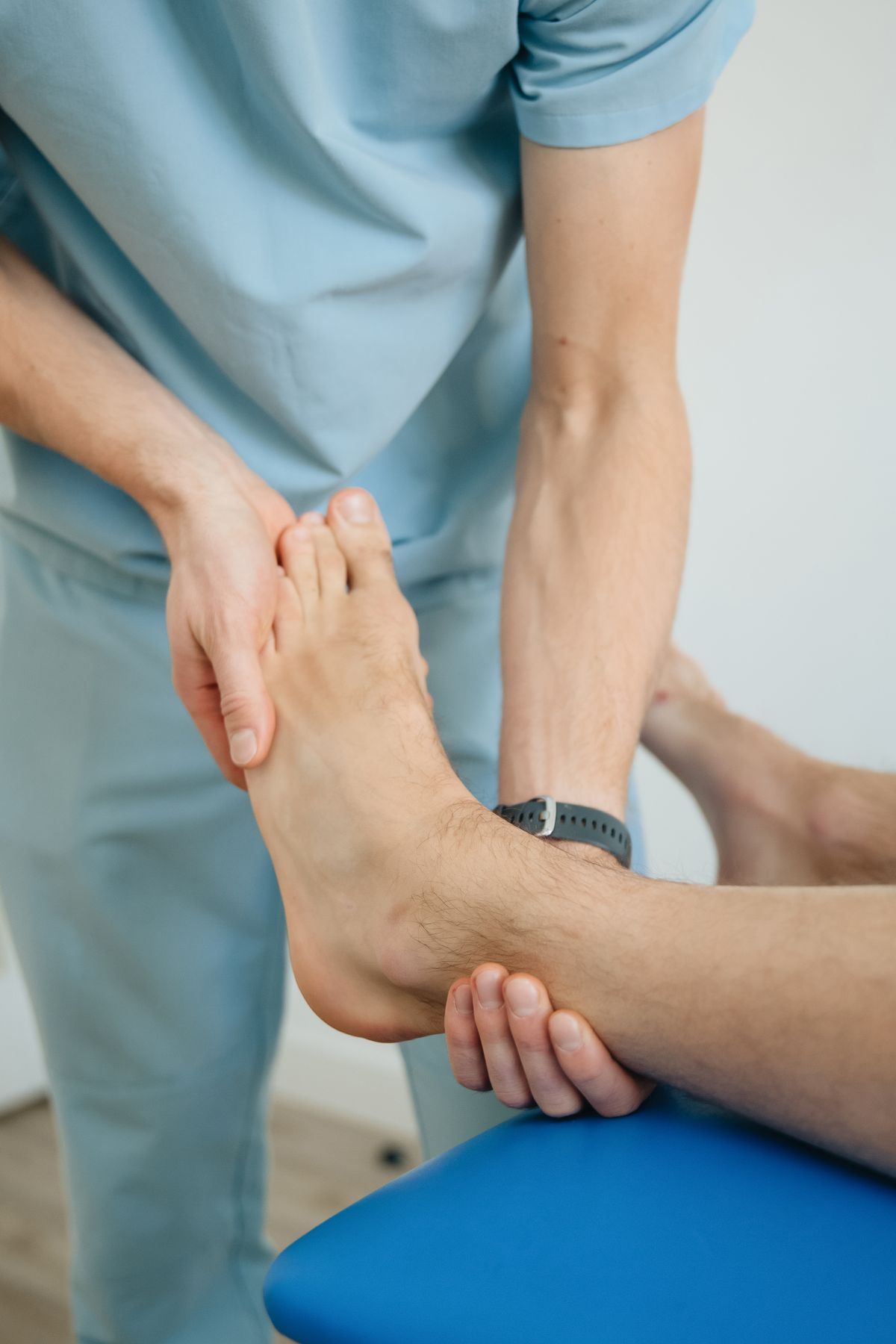
Direct answer: Posterior tibial tendon dysfunction (PTTD) is a gradual weakening of the tendon that supports the arch of the foot, producing pain and swelling below the inner ankle, fatigue on prolonged standing, and a progressively flattening arch. PEMF is a non-invasive treatment that may reduce pain and oedema and support local microcirculation, used together with rehabilitation exercise, orthotics and load management.
PTTD is one of the most common causes of pain on the inner side of the ankle in adults, and one of the most frequently under-diagnosed. For clinic owners, physiotherapists and orthopedic specialists it is a chronic, recurring, progressive condition that requires monitoring and treatment over time. PainFree is the long-established importer and integrator of advanced Italian PEMF systems, with 25+ years of experience and 70+ Israeli clinics (population: 9M) — now expanding to the Philippines.
What Is Posterior Tibial Tendon Dysfunction?
Posterior tibial tendon dysfunction is a progressive weakening of the tibialis posterior tendon — the tendon that runs behind the inner ankle bone and supports the medial longitudinal arch of the foot. Because the tendon carries repetitive load with every step, accumulated overload produces tendinopathy (a structural change in the tendon tissue) rather than a simple acute inflammation. Over time the tendon loses its ability to stabilise the arch, and the arch begins to collapse — a state known as adult-acquired flatfoot deformity. Risk factors include older age, excess body weight, diabetes, hypertension and high-load activity. This is a progressive condition: left untreated it tends to move from a flexible stage to a rigid one, in which conservative treatment is far less effective. Early recognition and monitoring are the key to successful clinical management.
What Symptoms Suggest the Posterior Tibial Tendon — and When Does the Arch Start to Collapse?
The earliest and most common symptom is pain and swelling on the inner side of the ankle, below and behind the bony prominence (the medial malleolus). Patients typically describe pain that worsens with prolonged standing, walking or running, and eases with rest. As the condition advances, mechanical signs appear: a sense that the foot is "flattening out," the heel drifting outward, and difficulty standing on tiptoe on the affected side. A simple in-clinic test — the single-leg heel raise — may be limited or painful. In advanced stages the arch collapse becomes visible and pain can shift to the outer side of the ankle. It is important to distinguish this picture from neighbouring conditions such as tarsal tunnel syndrome or plantar fasciitis, which share some symptoms but call for a different treatment approach.
How Does PEMF Support Recovery of the Posterior Tibial Tendon?
PEMF supports recovery mainly by reducing pain and oedema and supporting the tissue environment, while active rehabilitation continues. Because PTTD is characterised by overload on tissue with limited microcirculation, using PEMF to reduce swelling and support local blood flow is a sound clinical rationale. In practice, reducing pain is what lets the patient keep up the rehabilitation programme. PEMF leads the clinic treatment, and the programme — eccentric strengthening of the posterior tibialis, stretching, orthotic fitting and sometimes temporary immobilisation in an acute stage — continues together with it. It is important to set a realistic expectation with the patient: change in a tendon takes weeks, and the series is planned together with the exercise and load management programme.
The Headline Evidence
To be candid, there is currently no dedicated randomized controlled trial (RCT) examining PEMF specifically in posterior tibial tendon dysfunction. The available evidence relates to joint and soft-tissue pain in general. A 2025 prospective, multi-center randomized trial (PMC11914662, n=91, five orthopedic clinics) found a 36% pain reduction versus 10% with standard care (p<0.0001) and a 55% reduction in medication use.
- 36% pain reduction in the PEMF group vs. 10% with standard care (p<0.0001)
- 55% reduction in medication consumption, vs. 12% with standard care
An important clarification: this trial studied joint and soft-tissue pain in general — it was not conducted on PTTD specifically, so it should be read as support for the general tissue-level effect of PEMF rather than as condition-specific proof. In addition, a clinical review (Aesthetic Surgery Journal, Strauch et al. 2009, Albert Einstein College of Medicine — PubMed 19371845) describes how PEMF helps control pain and oedema and promotes angiogenesis in soft tissue. PEMF is therefore a reasonable treatment at the discretion of the treating clinician — not a therapy with direct evidence for this specific condition.
Who Is It Suitable For — and Who Is It Less Suitable For?
Treatment is most suitable for patients in the early-to-moderate stages of PTTD, where the arch is still flexible and pain and swelling are the primary complaint. It is particularly relevant for those seeking a non-invasive alternative before escalating to injections or surgery, and for patients combining exercise and orthotics. Who it is less suitable for, or contraindicated: there are absolute contraindications — a pacemaker or implanted defibrillator, pregnancy, and active malignancy at the treatment site. Relative contraindications include metal implants near the treatment area (location-dependent), epilepsy (with neurological consultation), and thyroid disorders. In an advanced, rigid stage of arch collapse with a fixed deformity, conservative treatment — including PEMF — is far less effective, and referral for orthopedic assessment is warranted. Selecting the right patient is a precondition for a good clinical outcome.
The Clinical PEMF Protocol for PTTD
The protocol is built to run together with the rehabilitation programme. The following values reflect a common working framework; field intensity, frequency and duty cycle are set by the system according to the selected protocol.
- Session length: approximately 30 minutes per session, focused on the inner ankle region and the course of the tendon.
- Frequency: 1–2 times per week; in an acute stage up to 3 times weekly with a rest day between sessions.
- Combine with rehabilitation: graded eccentric strengthening of the posterior tibialis, calf stretching, and balance training.
- Load management: fitting arch-supporting orthotics, reducing high-load activity during the painful phase, and a graded return to activity.
- Monitoring: reassess pain, swelling and single-leg heel-raise capacity every 3–4 weeks to adjust the programme.
Most patients report improvement in pain over several weeks of consistent treatment combined with exercise. Consistency and monitoring matter more than a single intensive session.
PEMF vs. Conventional Treatments for PTTD
| Parameter | PEMF | Orthotics / immobilisation | Corticosteroid injection |
|---|---|---|---|
| Main mechanism | Reduces pain and oedema; supports microcirculation | Mechanical support; unloads the tendon | Local anti-inflammatory |
| Invasiveness | Non-invasive | Non-invasive | Invasive (needle) |
| Patient experience | Pleasant, painless | Tolerable; limits motion when immobilised | Temporary local pain |
| Risk to the tendon | Low | Low | Risk of tendon weakening / rupture with repeat injections |
| Clinician time per session | 0 minutes (hands-free) | ~10 minutes fitting | ~15 minutes |
| FDA status | Not for the devices we supply — no FDA 510(k) or PMA. Other PEMF devices hold 510(k) for pain/edema; clearance is granted per model, not to the technology. Our Magnetobox unit carries CE. | Assistive device | Pharmacological |
The table shows that PEMF and orthotics are not competitors; they work together: the orthotic reduces mechanical load on the tendon, while PEMF supports the tissue-level pain and swelling. Corticosteroid injection into the tendon itself is considered controversial because of the risk of tendon weakening, so the non-invasive approach is favoured in the early stages.
What This Means for Philippine Clinics
Operationally, PTTD is a chronic, ongoing condition that requires a series of treatments and monitoring — which makes it a stable source of value for a clinic. The key advantage of PEMF is that it runs hands-free: once the protocol is set, the system delivers it independently and does not require a therapist in the room. The system therefore lets the clinic treat another patient in parallel and grow revenue passively, without burning out staff.
- It runs hands-free — no continuous therapist supervision during the session.
- It is a non-invasive alternative in a condition where tendon injection carries real risk — a genuine clinical differentiator.
- Typical session pricing in the Philippine market runs ₱1,500–₱2,500 per session, with a series of 3 or more sessions per treating clinician's judgement.
Support includes full clinical training, structured protocols and ongoing professional backing — so even a team not experienced with the technology can operate it with confidence.
Contraindications
- Pacemaker or implanted defibrillator
- Pregnancy
- Active epilepsy — neurological consultation required
- Active malignancy (there is no scientific proof for this contraindication; it is accepted for insurance reasons only)
- Thyroid disorders
- Metal implants near the treatment site — depending on location and medical judgement
Frequently Asked Questions
Is PEMF treatment painful?
No. Treatment is comfortable and non-invasive; most patients feel nothing beyond a mild sensation or gentle warmth in the area. There is no anaesthesia and no recovery period, and normal activity can resume immediately after the session.
How many treatments are needed before improvement?
Most patients report gradual improvement in pain over several weeks of consistent treatment (1–2 times per week) combined with rehabilitation exercise. PTTD is a chronic condition, so consistency and monitoring matter more than a single session.
Does PEMF replace orthotics or physiotherapy?
No. You do not have to choose: PEMF leads the clinic treatment of pain and oedema, and the rehabilitation exercise, eccentric strengthening and arch-supporting orthotics continue together with it. PEMF reduces pain and oedema, together with exercise and orthotics.
Can I keep walking and training during treatment?
Usually yes, but with modified load. During the painful phase it is best to reduce high-load activity and use a graded return. The precise activity level is set according to the stage of the condition and the clinician's guidance.
What is the difference between PTTD and plantar fasciitis?
Both cause foot pain, but in different locations: PTTD is centred on the inner side of the ankle and is accompanied by arch collapse, whereas plantar fasciitis centres on heel pain that is often worst in the morning. Accurate diagnosis matters for choosing the right treatment.
When is PEMF no longer effective for PTTD?
In an advanced, rigid stage where the arch collapse has become a fixed deformity, conservative treatment — including PEMF — is far less effective. At that point an orthopedic assessment is needed to consider alternatives, which is why early recognition is so important.
Can PEMF be combined with other treatments?
Yes. PEMF leads the clinic treatment, and physiotherapy, manual therapy, orthotics and load management continue together with it. Reducing pain is what helps you keep at the active exercise.
When Should a Patient See a Doctor?
Seek medical assessment promptly in the following cases: sudden sharp inner-ankle pain after trauma, inability to bear weight on the foot, rapid arch collapse or a marked deformity, redness, local heat or signs of infection, and pain that does not improve despite consistent conservative treatment. These signs may indicate a tendon rupture or a condition requiring orthopedic intervention. PEMF is not a substitute for medical diagnosis — it is a therapeutic tool used according to the patient's condition and the existing evidence.
Interested in adding PEMF to your clinic?
Request the full investment brief — machine specs, financials, and site selection for the Philippines market.
Request Investment Brief →PainFree operates 70+ Israeli clinics serving a population of 9M — now expanding to the Philippines.